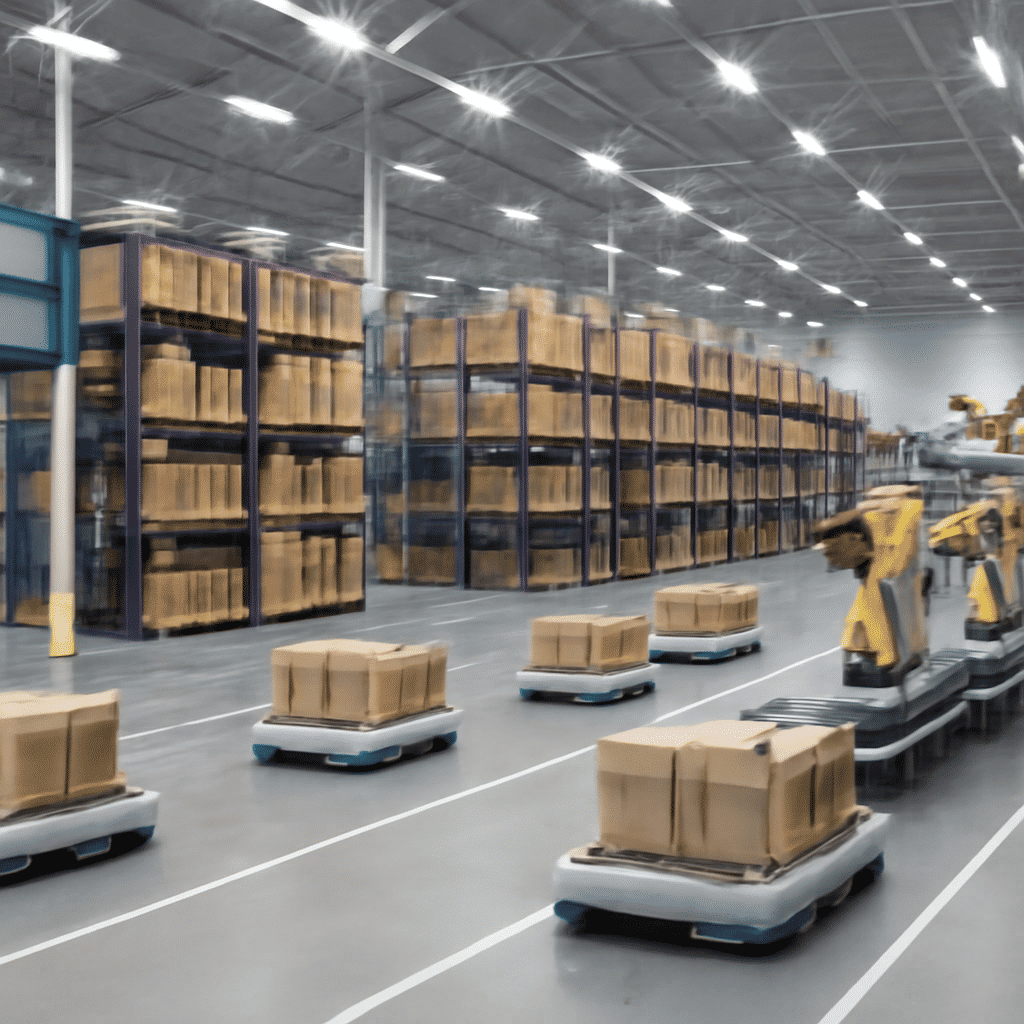
In recent years, the logistics industry has undergone a remarkable transformation, driven largely by the advent and integration of advanced technologies such as Artificial Intelligence (AI) and the Internet of Things (IoT). These technologies are not only streamlining operations but also paving the way for a more transparent and efficient logistics landscape.
One of the most significant impacts of AI in logistics is in predictive analytics. By analyzing vast amounts of data, AI algorithms can forecast demand more accurately, predict delivery times, and optimize supply chain operations. This predictive capability enables companies to reduce waste, minimize delays, and ensure that products reach consumers more quickly and cost-effectively.
AI's influence extends to automation, where it powers sophisticated robotics that handle material transportation, sorting, and packaging within warehouses. These robots, equipped with AI-driven decision-making capabilities, drastically reduce the time and human labor required in warehouse operations while also minimizing errors and increasing productivity.
The Internet of Things (IoT) complements AI by providing real-time, actionable data. IoT sensors are embedded in vehicles, shipments, and warehousing infrastructure, allowing companies to track goods at every stage of the delivery process. This information not only provides transparency to all stakeholders but also helps in maintaining the quality of perishable items by monitoring environmental conditions such as temperature and humidity.
IoT technology further extends into fleet management, where it helps in optimizing routes by delivering real-time traffic and weather updates. This ensures that deliveries are not unduly delayed, reduces fuel consumption, and extends vehicle longevity through predictive maintenance. The integration of IoT into logistics platforms ensures that all these elements work seamlessly, facilitating smoother operations and enhancing overall efficiency.
Moreover, blockchain technology is emerging as a potent force in logistics, particularly in ensuring transparency and security within the supply chain. By creating a decentralized ledger of all transactions, blockchain helps in providing an immutable record of goods’ origins, movements, and transfers, which is crucial in industries like pharmaceuticals and food, where traceability and proof of authenticity are paramount.
The emphasis on transparency and efficiency is further exemplified through the use of big data analytics. By collecting and analyzing data from various stages of the supply chain, businesses can gain meaningful insights into their operations, identifying bottlenecks, and optimizing processes for better performance.
However, the adoption of these technologies does present challenges, including integration with existing systems, data privacy concerns, and the need for a skilled workforce adept in both logistics and technology. Organizations must be willing to invest in training and infrastructure to fully leverage the benefits that these advanced technologies offer.
As technology continues to evolve, the logistics industry stands on the brink of even more innovation. From autonomous delivery vehicles to drones and advanced robotics, the future holds exciting possibilities that promise to further revolutionize the way goods are moved across the globe.
In conclusion, the fusion of AI, IoT, and other emerging technologies in logistics is reshaping the industry into a more efficient, transparent, and responsive ecosystem. These technological advancements not only promise improved operational efficiencies and cost savings but also enhance customer satisfaction through faster and more reliable service. As we look ahead, it is clear that technology will continue to drive profound changes across the logistics landscape, unlocking new opportunities for growth and innovation.