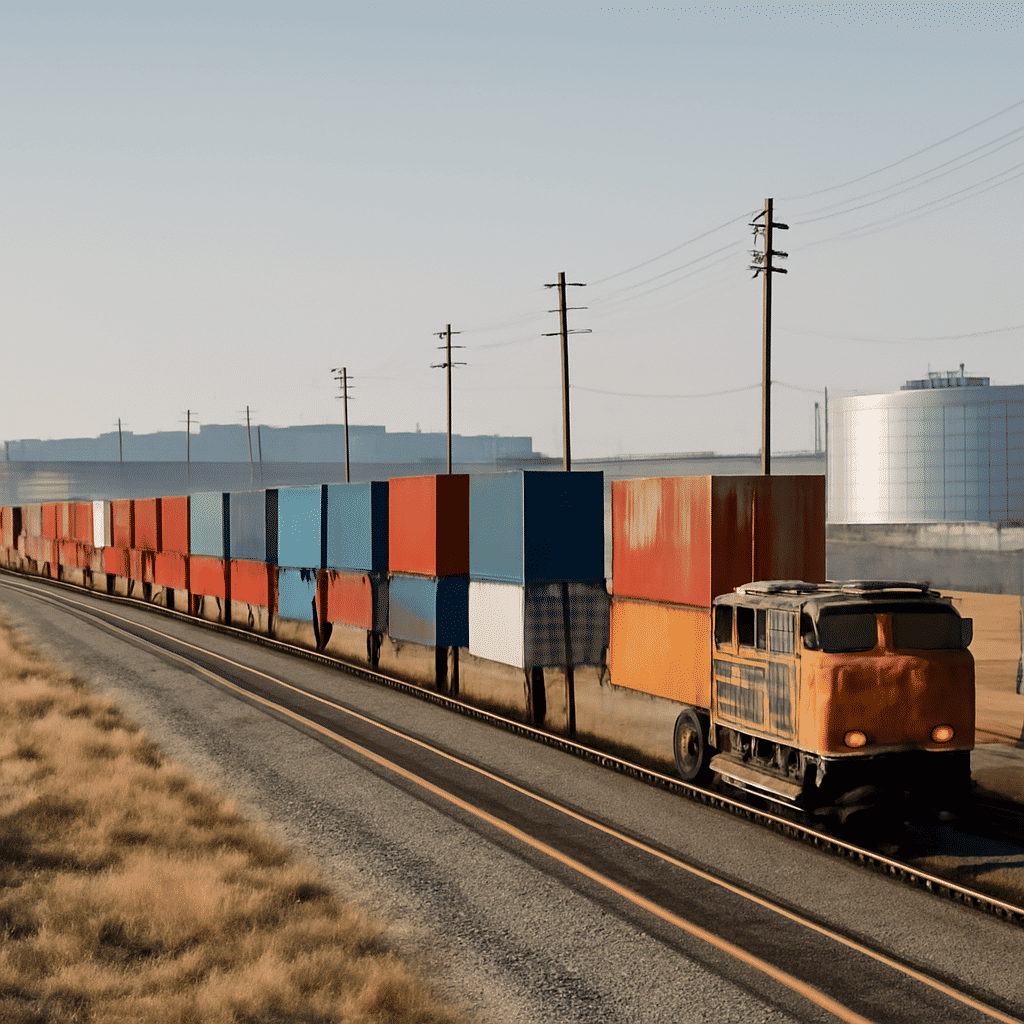
Freight shipping has long been the backbone of the United States economy, driving commerce and facilitating the efficient movement of goods across vast distances. Over the past decades, this vital industry has undergone significant transformation, navigating the tides of technological advancements and evolving regulatory landscapes. These changes have not only enhanced the efficiency of freight shipping but have also shaped new possibilities for the future.
In the late 20th century, freight shipping primarily relied on well-established methods, with railroads, trucks, and maritime vessels playing central roles. As globalization intensified, there was an increasing need for more dynamic and scalable freight solutions. One pivotal shift came with the advent of containerization, which revolutionized the shipping industry by radically simplifying the loading and unloading process. Standardized containers allowed for seamless transitions between ships, trucks, and trains, significantly reducing shipping times and costs.
The turn of the century marked a new era of digital transformation for freight shipping. The development of sophisticated software systems allowed for enhanced route optimization, inventory management, and real-time tracking. Advanced GPS technology enabled companies to monitor shipments with precision, improving reliability and customer satisfaction. The proliferation of online platforms and marketplaces further streamlined logistics operations, allowing businesses of all sizes to tap into global supply chains.
Regulatory changes have also played a significant role in shaping the freight shipping landscape. The introduction of stricter emissions standards has driven innovation in the development of cleaner and more fuel-efficient transportation methods. Companies have invested heavily in technologies designed to reduce their carbon footprint, such as hybrid and electric trucks, as well as exploring alternative fuels like LNG (liquefied natural gas) and biofuels. The demand for sustainable shipping solutions continues to rise, pushing the industry towards more environmentally conscious practices.
Moreover, automation is now at the forefront of freight shipping evolution. Autonomous trucks and drones are being tested, promising to revolutionize last-mile delivery and long-haul transport. These technologies could potentially reduce labor costs and improve safety on the roads, although they also raise questions about employment and regulatory frameworks.
The integration of data analytics and artificial intelligence (AI) is another significant development. Freight companies are utilizing AI to predict demand forecasts, optimize supply chain processes, and identify maintenance needs before they become critical issues. This predictive capability not only enhances operational efficiency but also supports better decision-making and strategic planning.
In recent years, the importance of resilience in freight shipping has been underscored by global disruptions such as the COVID-19 pandemic. The industry has adapted by adopting agile strategies that focus on flexibility and robustness in supply chains. Resilient systems have proven crucial in managing unexpected challenges and ensuring continuity of service under adverse conditions.
As the industry continues its trajectory of evolution, a few trends are likely to define the next phase. The continued focus on sustainability, driven by consumer demand and regulatory pressure, will accelerate the adoption of green technologies. Moreover, the digitalization of the freight sector will continue to deepen, as companies leverage the Internet of Things (IoT) and blockchain technology to enhance transparency and security in transactions.
In summary, the evolution of freight shipping in the USA over the past decades reflects a journey of adaptation and transformation. By embracing technological innovations and adapting to changing regulations, the industry continues to enhance its efficiency and effectiveness. As it moves forward, freight shipping will play a crucial role in driving economic growth and meeting the logistical demands of an increasingly interconnected world.